
infrastructure
From network constraints to practical flexibility
Electric vehicles, heat pumps, distributed generation and energy storage are changing where and when electricity moves across distribution networks. Local peaks and reverse power flows can create constraints that conventional planning and reinforcement cycles cannot always address quickly.
Grid investment remains essential. Utilities also need practical ways to respond to defined network conditions while longer-term reinforcement is planned and delivered.
Flexibility provides another operational option. By coordinating suitable loads, generation and storage, utilities can manage specific constraints, support reliable operation and improve the use of existing capacity.
Legislation and market models are developing at different speeds across Europe. Utility responsibilities, permitted control models and the roles of retailers, aggregators and flexibility-service providers differ between countries. EYKON’s focus is the practical control layer: enabling authorised actions to reach compatible field assets securely and predictably within the applicable market framework. The Prague and Austrian materials both reflect this movement towards more dynamic control, while also showing that national approaches vary.
Analytics
Where flexibility creates value
A limited number of high-demand periods can place disproportionate pressure on transformers, feeders and connection points.
Coordinating suitable loads can reduce or shift demand during these periods, helping utilities manage local constraints and determine where reinforcement remains necessary.
EV charging, heat pumps and electrified industrial processes can create significant local peaks.
Targeted control gives utilities another way to respond to defined network conditions while supporting the connection of new technologies.
High levels of local generation can create reverse power flows and network constraints.
Where connection agreements and regulation permit, compatible generation and storage assets can be coordinated to support network operation.
Traditional ripple-control systems have supported utility load management for many years. Evolving network requirements are creating demand for more selective control, flexible scheduling and confirmation that an action has been completed.
Modern bidirectional control allows utilities to address individual assets or defined groups and receive corresponding status information.
trusted data
From network need to confirmed action
Utilities need a controlled path from an operational requirement to action across distributed field assets.
Understand
Define the network condition, operating requirement or authorised external instruction.
Control
Identify the compatible assets or groups available for the required response.
Select
Execute scheduled, event-based or time-sensitive actions through the connected infrastructure.
Confirm
Receive status information and verify the outcome of the control action.
How it works
Flexibility across connected assets
The available flexibility depends on the asset, control interface, customer agreement and applicable regulation.
Smart Control
Targeted control through connected infrastructure
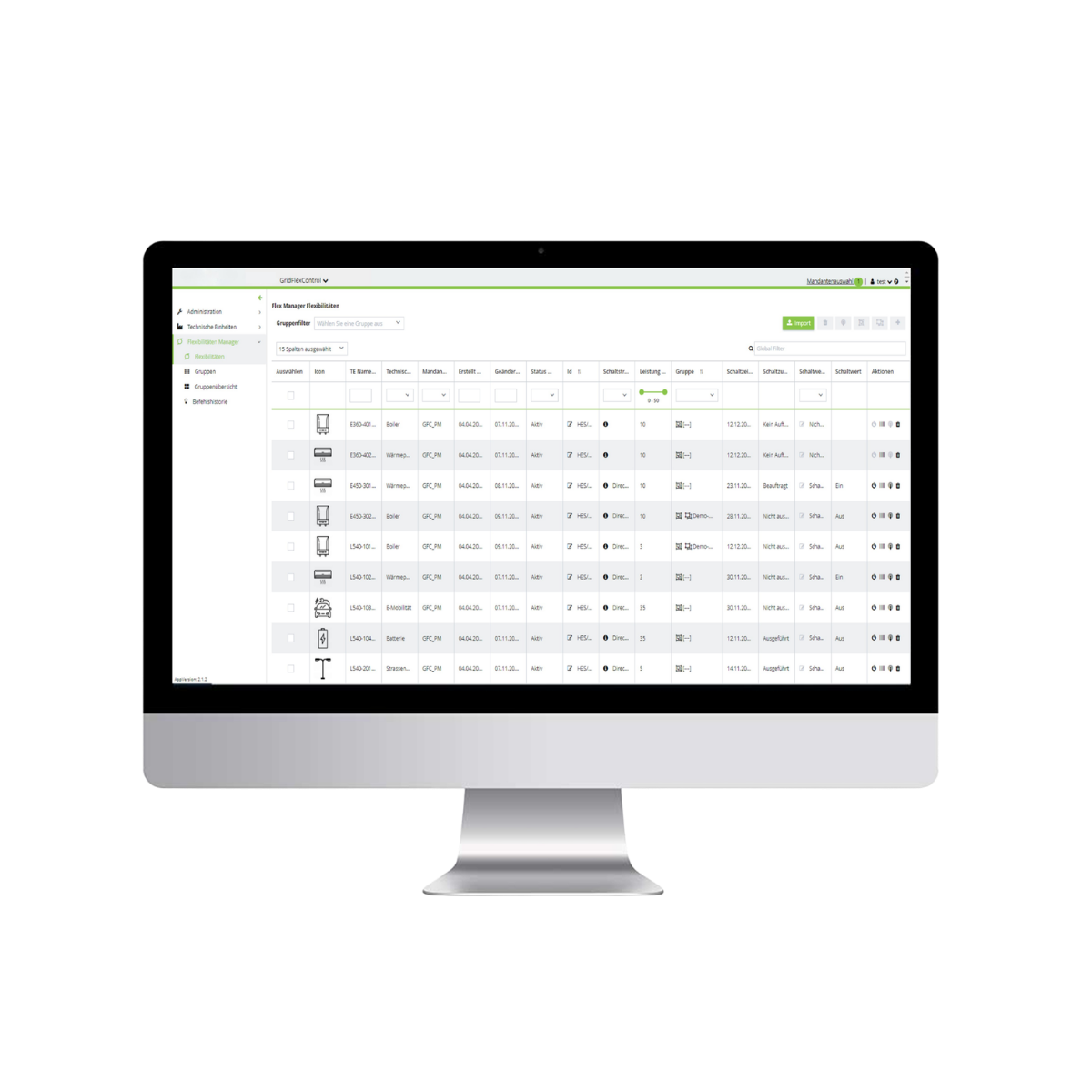
EYKON brings together flexibility-management software, bidirectional communications and compatible field devices to support control across distributed resources.
Assets can be organised individually or in groups according to the operational requirement. Control actions can be scheduled or initiated in response to defined events, with status information returned from compatible devices.
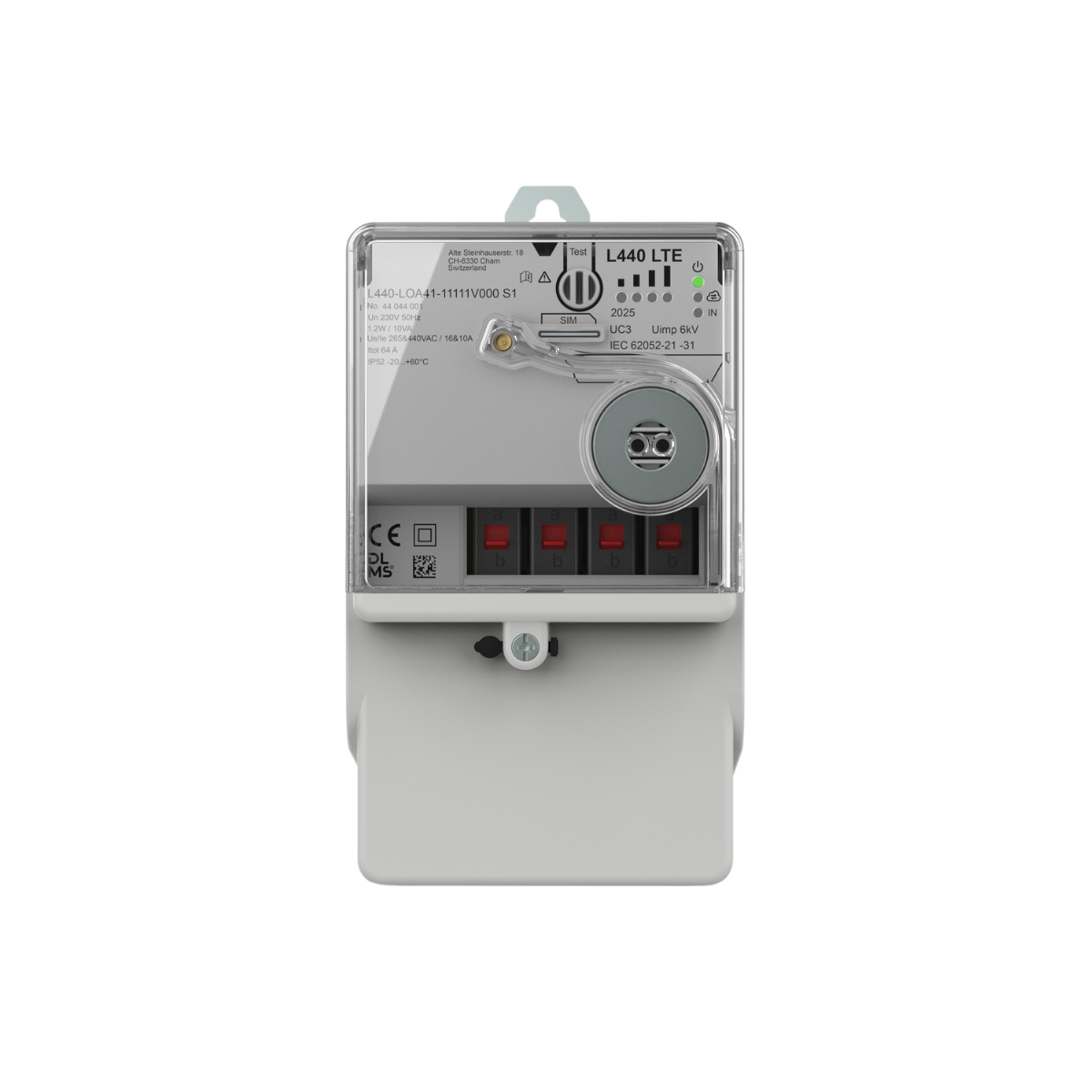
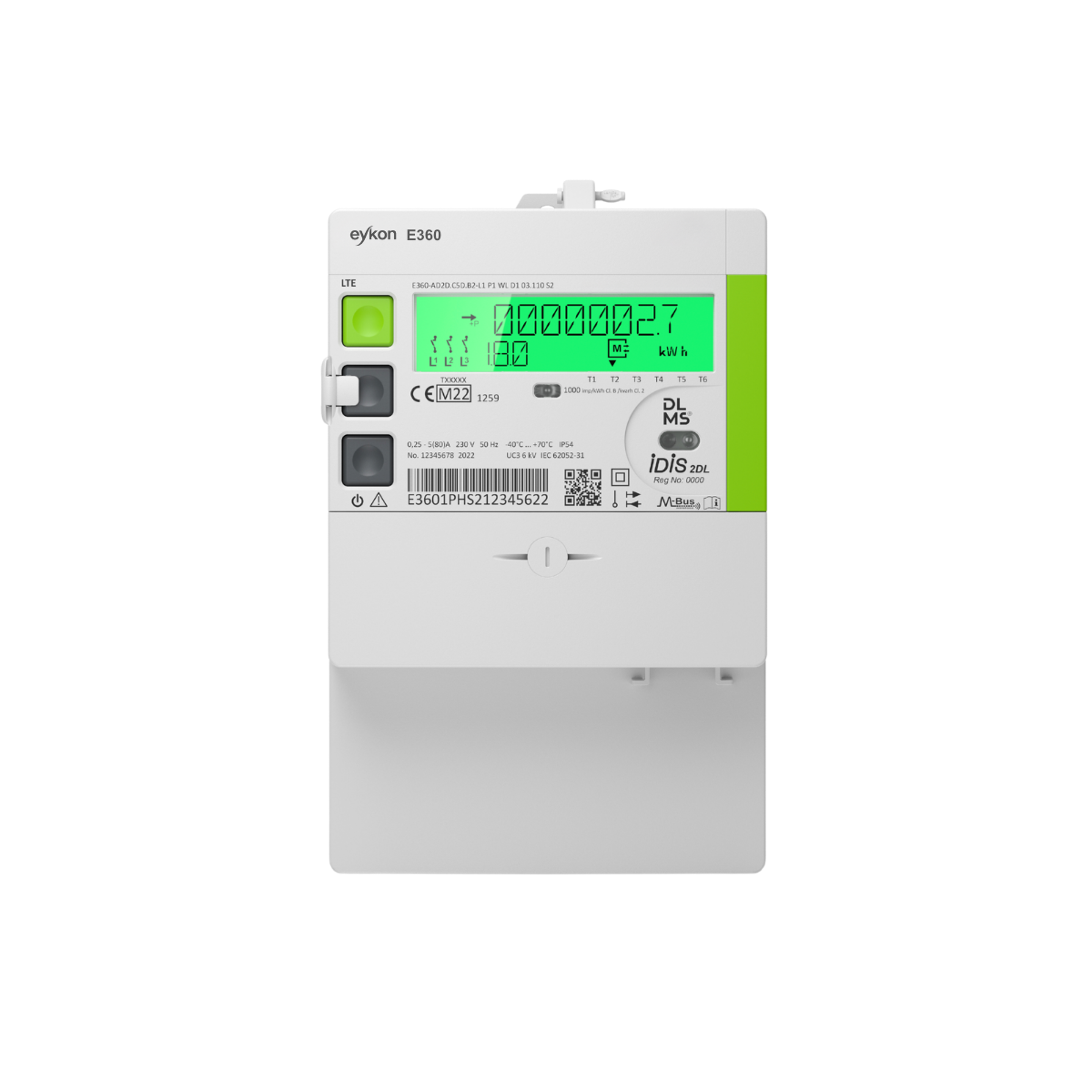
Where suitable smart-metering infrastructure is already deployed, utilities can extend its role into selected load- and flexibility-control applications. The precise scope depends on the HES, communications, device capabilities and solution configuration.
CONTROL CAPABILITIES
Flexible approaches for different applications
Target individual assets or defined groups rather than relying only on broad switching.
Use schedules, time-of-use programmes and authorised event-based actions according to the use case. Analytics are only as reliable as the data behind them. Coverage and data-quality information help users understand where evidence is complete and where limitations need to be considered.
Receive status information from compatible devices to confirm whether and when a control action has been completed.
Utilities can begin with a focused requirement, such as voltage monitoring or service-quality reporting, and add further analytical capabilities where supported and required.
Use compatible smart-metering communications and field devices for additional control applications where the installed architecture supports them. Relevant results can be shared with downstream operational and enterprise systems through supported interfaces and reporting methods.
Market Ready
Built for evolving market frameworks
There is no single flexibility model across Europe.
Some markets focus on direct utility load control. Others are developing retailer-led, aggregator-led or market-based models. Regulatory responsibilities, access to field assets and customer-participation arrangements also vary.
EYKON supports the control and connectivity layer within these different environments. This allows flexibility capabilities to be configured around the utility’s role, the permitted market structure and the infrastructure already in place.
The solution should therefore be presented as adaptable to changing market requirements, not as dependent on one regulatory model or one forecast of how European flexibility markets will develop.
Flexibility in practice
Supporting emerging flexibility frameworks
In Finland, EYKON Platform links authorised load-control instructions with a distribution system operator’s metering environment.
The Platform receives instructions from the Finnish Flexibility Hub, routes them through the DSO’s Head-End Systems and device-management chain, and returns status information and confirmations. This supports traceable execution of authorised actions through compatible devices behind residential metering points.
FAQ
Designed for operational control
Products
Featured technologies
Contact